Exploring Holistic Approaches to Weight Management and Vibrant Aging
Discover evidence-based information about natural wellness, balanced nutrition, and mindful living for a healthier, more vibrant life.
Learn More
Discover evidence-based information about natural wellness, balanced nutrition, and mindful living for a healthier, more vibrant life.
Learn More
Natural wellness approaches recognize the body's innate ability to balance and maintain health through conscious, informed choices. This perspective emphasizes working with the body's natural systems rather than against them, promoting sustainable practices that support long-term well-being.
The foundation of natural wellness lies in understanding how different lifestyle factors interconnect—nutrition, movement, mental well-being, sleep, and environmental influences all play vital roles in creating a holistic framework for vitality.

Emphasizing minimally processed foods rich in nutrients, from vegetables and fruits to whole grains and legumes, forms the basis of balanced nutrition.
Understanding the role of proteins, healthy fats, and carbohydrates helps create sustainable eating patterns tailored to individual needs and activity levels.
Incorporating herbs, spices, and plant-based foods known for their nutritional density and traditional uses in supporting overall wellness.
Building eating habits that can be maintained long-term, focusing on enjoyment and nourishment rather than restriction or deprivation.

Regular, enjoyable movement is essential for maintaining physical fitness, mental clarity, and emotional balance. This includes activities like walking, yoga, swimming, cycling, or dancing—movements that feel natural and sustainable rather than punitive.
The focus is on consistency and enjoyment rather than intensity, creating routines that integrate seamlessly into daily life.

Spending time in nature enhances the benefits of physical activity, providing mental restoration and connection to natural rhythms. Forest walks, outdoor stretching, and nature-based exercise combine movement with the therapeutic effects of natural environments.

Stretching, flexibility work, and proper recovery are as important as active movement. These practices enhance mobility, reduce injury risk, and support the body's natural healing processes.
Mental well-being and physical health are deeply interconnected. Managing stress and cultivating mindfulness support overall wellness.
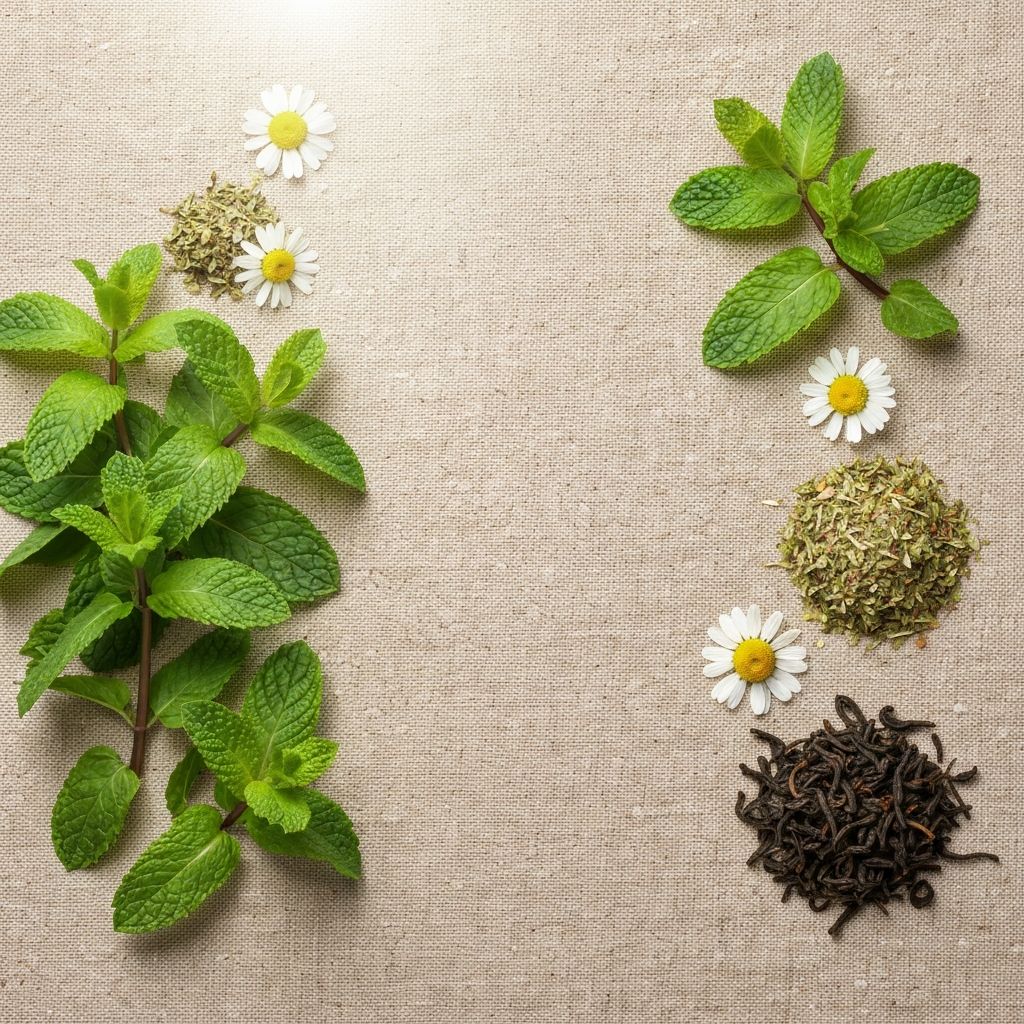
Herbs and plant-based ingredients have been used across cultures for centuries to support wellness. Common examples include turmeric for its anti-inflammatory properties, ginger for digestive support, chamomile for relaxation, and green tea for antioxidant benefits.
These ingredients work best as part of a comprehensive wellness approach, supporting the body's natural processes while complementing proper nutrition, movement, and lifestyle practices.
Water is fundamental to every bodily function—from nutrient transport to temperature regulation and cognitive performance. Adequate hydration supports energy levels, skin health, digestion, and mental clarity.
The specific amount needed varies based on individual factors, activity level, and climate, but consistently drinking water throughout the day is a simple, foundational wellness practice.
Sleep is when the body repairs, consolidates memories, and regulates vital hormones. Quality sleep is foundational to all aspects of wellness.
Our surroundings significantly influence well-being. Exposure to natural light regulates circadian rhythms and mood. Air quality affects respiratory and cognitive function. Access to nature—whether parks, gardens, or simply plants indoors—enhances mental health and reduces stress.
Creating an environment that supports wellness—with good lighting, clean air, organized spaces, and elements of nature—is an accessible way to support overall health.

Different seasons present opportunities to adjust wellness practices naturally. Spring encourages renewal and increased activity. Summer supports outdoor movement and fresh produce abundance. Autumn invites preparation and reflection. Winter naturally draws us inward, supporting rest and contemplation.
Aligning wellness practices with seasonal rhythms creates a dynamic, sustainable approach to health throughout the year.
This educational resource provides foundational information about holistic approaches to wellness. For personalized guidance regarding your health, please consult with qualified healthcare professionals.
Explore our detailed guides on supplements and natural approaches through the links in the navigation menu.